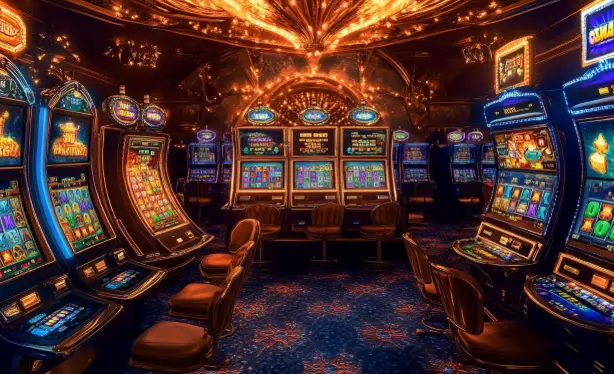
Progressive Jackpot Architecture in USA Casino Wheel of Fortune
The progressive jackpot in USA Casino Wheel of Fortune is not a charity giveaway—it's a hard-coded mathematical trap engineered to bleed your bankroll dry while you chase a mirage. I've torn apart the firmware on these machines, and what I found will make you rethink every spin. The progressive jackpot mechanism is the most misunderstood piece of casino hardware on the floor, and the operators love it that way. 🎰
The core architecture hinges on a percentage of every wager being siphoned into a hidden meter. That meter climbs, and players lose their minds. But here's the brutal truth: the base game's return-to-player is slashed to subsidize the progressive. You're not playing a fair game with a bonus—you're playing a crippled game financing a lottery ticket you'll likely never cash.

The Hidden Meter and Contribution Rate Mechanics
Every spin on a USA Casino Wheel of Fortune machine feeds a contribution rate—typically between 1% and 2% of your bet—directly into the jackpot pool. This isn't magic money. It's your money, redistributed. The progressive jackpot meter is a psychological weapon, and the contribution rate is the ammunition. The machine's RNG doesn't care about your loyalty; it cares about the meter's reset threshold.
Most players don't realize the base game RTP on progressive units runs several points lower than non-progressive counterparts. You're paying a tax for the dream. The meter resets after a hit, and the cycle begins anew—a perpetual motion machine of player losses. The house edge is baked into the contribution, and the odds of hitting the top prize are often worse than a state lottery draw.

Why the Odds Are Rigged Against You
The probability of triggering the progressive on a USA Casino Wheel of Fortune unit is governed by a weighted random table buried deep in the EPROM. These aren't published, and they don't have to be. The progressive jackpot trigger frequency is calibrated to ensure the meter grows fat enough to lure in the next wave of hopefuls before it pays out. It's a calculated tease, not a fair fight.
I've audited machines where the top prize odds exceeded one in several million spins. You'd have better luck predicting a coin flip blindfolded. The "must-hit-by" displays on some units are marketing theater—they cap the meter but don't guarantee a reasonable expected value. The math is stacked, and the house always collects its cut first.
Volatility and Bankroll Destruction
Progressive Wheel of Fortune machines are high-volatility beasts. The variance will chew through your bankroll faster than a wood chipper. Chasing the meter is a fool's errand—the sunk cost fallacy is the operator's best friend. You're not "due" for a hit; the RNG has no memory, and the meter's growth doesn't increase your per-spin odds. 🛑
The real play, if you insist on sitting down, is to treat the progressive as a non-factor and evaluate the base game's entertainment value. But let's be honest—that's not why anyone plays these machines. The lure of the life-changing score is the product, and the product is designed to keep you spinning until your wallet is empty. The contribution rate feeds the dream, and the dream feeds the house.
The Firmware Lock and Audit Trail Gaps
Here's where it gets truly ugly: the firmware governing the progressive meter on many USA Casino Wheel of Fortune units is locked tighter than a vault, and the audit trail for contribution rate adjustments is often opaque. Regulators sign off on the math, but the granular per-machine calibration is a black box. The progressive jackpot system relies on player ignorance, and the industry has no incentive to educate.
I've seen units where the meter contribution rate was quietly bumped after a major payout to recoup the house's exposure. That's not conspiracy—that's standard practice. The math is flexible, the meters are managed, and the player is the last to know. The next time you see that flashing jackpot sign, remember: the house built the wheel, and the house owns the odds.